

How to Play Aviator: Guide for Nigerian Players
🎮 Learn how to play Aviator with tips on strategies, trusted Nigerian platforms, and smart fund management to increase your chances of winning ₦ in this exciting online game.
Edited By
David Clark
Aviators in Nigeria hold a vital position in the country's transport sector, connecting cities, states, and even neighbouring countries by air. Their role goes beyond just flying aircraft; they must navigate complex weather conditions, ensure passenger safety, and maintain strict adherence to aviation regulations. In a country where road travel can be slow due to heavy traffic and poor infrastructure, aviation offers faster alternatives that are especially critical during emergencies or for business trips.
The path to becoming an aviator in Nigeria involves rigorous training and licensing processes. Aspiring pilots typically start with ground school, learning aviation theory, navigation, and meteorology. They then progress to flight training at certified flying schools, approved by the Nigerian Civil Aviation Authority (NCAA). Obtaining a Private Pilot Licence (PPL) is just the first step—commercial and airline transport pilot licences require additional hours and exams.
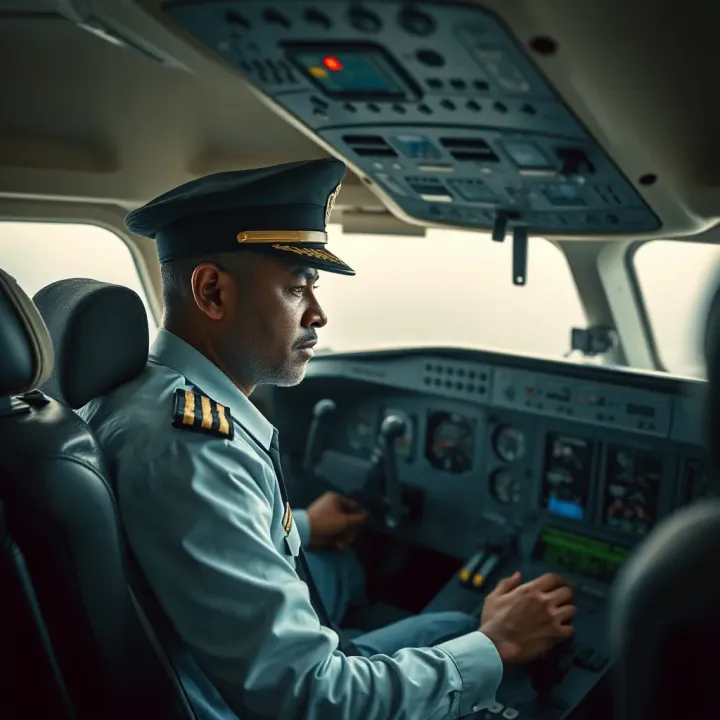
The Nigerian aviation industry demands high competence given the increasing passenger traffic and expanding cargo operations, pushing aviators to continually upgrade their skills.
Aviators face several challenges unique to the Nigerian environment. Frequent power outages can affect simulators and training centres. Weather patterns, especially during the rainy season, complicate flight schedules. Economic pressures and fluctuating naira values impact the cost of fuel and aircraft maintenance, sometimes leading to delays. However, technological advances like GPS navigation and modern cockpit systems are helping pilots manage these issues more effectively.
Career prospects for Nigerian aviators include working with commercial airlines such as Arik Air and Air Peace, private charter services, cargo operations, or even government agencies like the Nigerian Air Force. The rise of drone technology and unmanned aerial vehicles (UAVs) presents new opportunities in surveillance and agricultural support.
Understanding the daily life and responsibilities of aviators helps highlight their contribution to Nigeria’s economy. They not only facilitate trade and tourism but also create employment and stimulate industries linked to aviation. For those interested in this profession, recognising these realities is essential before embarking on the demanding yet rewarding journey to become a pilot in Nigeria.
Understanding the role of an aviator in Nigeria helps clarify the various responsibilities and skills involved in piloting aircraft across the country's diverse landscape. Nigerian aviation serves essential functions: from connecting major cities like Lagos, Abuja, and Port Harcourt to providing emergency services in remote areas. Knowing what an aviator does also highlights how aviation supports both economic growth and national security.
The general responsibilities of aviators include safely operating aircraft while adhering to strict aviation regulations and weather conditions. An aviator manages navigation, communication, and emergency procedures to ensure passengers and cargo reach their destinations unharmed. For instance, pilots flying domestic routes must constantly monitor instrument panels and air traffic control communication to adapt to changing circumstances, such as sudden weather changes or air traffic congestion.
Beyond flying, aviators also perform pre-flight checks, collaborate closely with ground crew, and contribute to flight planning. This hands-on role demands vigilance, quick decision-making, and technical know-how, as mistakes can have severe consequences.
The distinction between pilots, flight engineers, and other crew lies in their specific roles on the aircraft. Pilots are primarily responsible for flying and controlling the plane from take-off to landing, often acting as the final authority in decision-making during flight. Flight engineers, although less common in modern aircraft, monitor complex systems like engines and hydraulic controls, ensuring everything runs smoothly during flight.
Other crew members, such as co-pilots (first officers), air traffic controllers, and cabin crew, support operations. Co-pilots assist the pilot and take control when needed, while cabin crew attend to passenger safety and comfort. Each role complements the others to maintain safe and efficient flight operations.
Commercial pilots form the backbone of Nigeria’s civil aviation sector. They operate scheduled flights for airlines such as Arik Air, Air Peace, and Dana Air across domestic and international routes. Commercial pilots must meet high licensing standards and maintain consistent training to handle passenger flights, cargo deliveries, and charter services, ensuring compliance with the Nigerian Civil Aviation Authority (NCAA) regulations.
Military aviators serve in the Nigerian Air Force and other defence branches. Their jobs range from flying fighter jets and transport planes to reconnaissance missions. Military aviators undergo rigorous physical and tactical training, often operating in challenging environments against security threats. Their skills safeguard Nigeria’s airspace and contribute to national defence.
Private and recreational pilots in Nigeria typically fly smaller aircraft for personal or business use, such as agricultural crop spraying, surveying, or leisure flying. While not as common as commercial or military pilots, these aviators operate under different regulations and usually hold private pilot licences. Their activities support niche sectors and offer flexibility, especially in areas lacking commercial airline coverage.
Recognising the diverse roles within Nigerian aviation offers insight into the profession’s complexity and its vital impact on transport, security, and economic development.
Training and licensing form the bedrock of professionalism and safety in aviation. Without proper training, a pilot's ability to handle the complexity of modern aircraft and unforeseen challenges would be compromised, putting passengers and cargo at risk. For Nigerian aviators, meeting these standards ensures compliance with global practices while addressing the unique challenges of Nigerian airspace and operating conditions.
Nigeria hosts several recognised flight schools that equip trainees with the skills needed to pilot commercial and private aircraft. Notable institutions include the Nigerian College of Aviation Technology (NCAT) in Zaria, which is the government-backed aviation training centre, and private schools like Leadway Aviation and the Aero Contractors' training programme. These schools offer a range of courses from basic pilot training to advanced instrument flying and multi-engine ratings, tailored to meet Nigerian Civil Aviation Authority (NCAA) standards.
Training typically combines classroom theory with hands-on flight experience. For example, at NCAT, students get exposure not only to flying hours but also to safety procedures and emergency handling, crucial for Nigerian conditions where power inconsistencies and regulatory constraints often come into play.
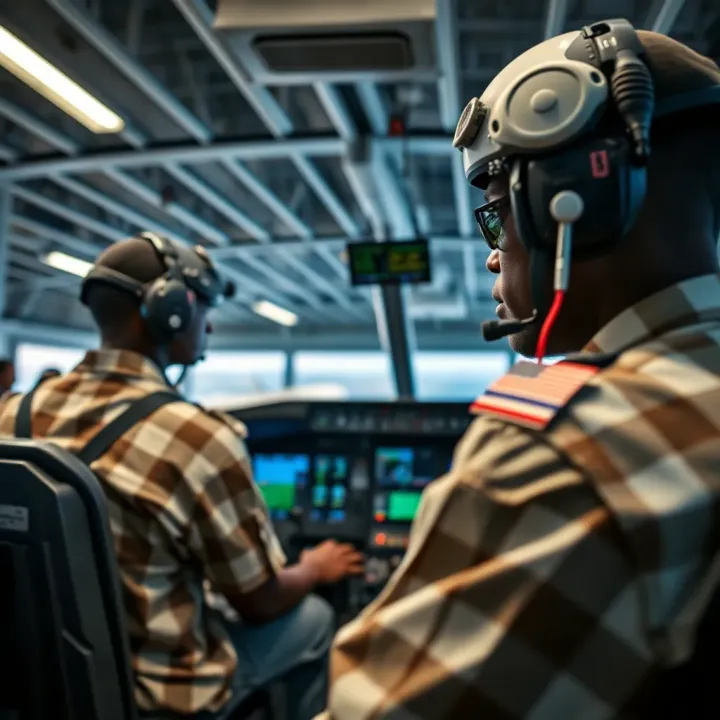
Regarding cost and duration, training to become a commercial pilot in Nigeria can run from ₦7 million up to ₦15 million depending on the institution and level of training. The entire process generally takes between 18 months to 3 years. This timeline reflects the hours logged in simulators and actual flight time, along with passing theoretical exams. While expensive, investing in solid training is essential since it directly impacts pilot competence and employability.
The Nigerian Civil Aviation Authority (NCAA) regulates pilot licensing to maintain high safety standards. They set clear requirements for training approval, periodic assessments, and standardised practical tests. Pilots must register with NCAA, which monitors all flight instructors and training schools to ensure they meet strict operational guidelines.
Getting a pilot’s licence involves passing medical and skill assessments to confirm the candidate’s fitness to fly. Medical checks look at vision, cardiovascular health, and overall physical condition. These assessments are crucial for pilots operating in Nigeria's often challenging weather and infrastructure environments, helping reduce risks caused by sudden health issues mid-flight.
Licences issued by NCAA vary by the type of operation and aircraft. Common licences include the Private Pilot Licence (PPL), Commercial Pilot Licence (CPL), and Airline Transport Pilot Licence (ATPL). Each licence comes with specific ratings such as instrument, multi-engine, or type ratings necessary for different aircraft. For example, a CPL holder aiming to work for commercial airlines will need an instrument rating, enabling the pilot to fly in low visibility conditions—vital given Nigeria’s rainy season and sometimes unreliable airport lighting.
Proper training and licencing are not mere bureaucratic steps; they directly affect the safety and efficiency of Nigerian aviation. Aspiring aviators must plan realistically for the timelines and costs involved, ensuring they meet NCAA standards before entering this demanding profession.
For aviators in Nigeria, career opportunities are diverse and often come with promising prospects for growth. Understanding the employment sectors and paths to advancement helps pilots and other flight crew plan their careers strategically. Given Nigeria’s expanding aviation industry marked by increasing airline services and government investments, aviators can find roles in different capacities.
Commercial airlines and charter services serve as the most visible employers of aviators. Nigerian carriers like Air Peace, Arik Air, and Dana Air rely heavily on qualified pilots to maintain their schedules and expand their reach within Africa and beyond. Many aviators start their careers flying short domestic routes before moving on to longer haul operations. Charter services offer additional opportunities especially around oil and gas operations where companies need pilots for flights to remote locations.
Government and military aviation also provide steady employment for aviators. The Nigerian Air Force employs a significant number of pilots for defence and logistics operations, ensuring national security and support for civil authorities. Government agencies may also need aviators to fly VIP transport or assist in disaster and emergency responses, highlighting a blend of technical skill and public service.
Private companies and cargo operators form another important sector. With Nigeria’s growing e-commerce and logistics demand, firms like GIG Logistics and DHL Nigeria require reliable aviators to manage freight and business travel. Private jets owned by corporations or wealthy individuals also require skilled pilots, offering a different career path with potentially higher earnings but less public visibility.
Rising through the ranks from a first officer to becoming a captain or chief pilot marks a key milestone for any aviator. Captains take on the ultimate responsibility for the aircraft and crew, which comes with higher pay and respect within the industry. Nigerian aviators often achieve this after accumulating a certain number of flight hours, passing advanced exams, and demonstrating leadership skills.
Many aviators later specialise by training as instructors or examiners. This role not only broadens one’s career but also contributes to the growth of Nigeria's aviation by producing future pilots. Flight instructors at schools like the Nigerian College of Aviation Technology (NCAT) play a vital role, while examiners ensure pilots meet safety standards critical for public confidence.
Transitioning into aviation management is another option, especially for aviators interested in the business side of flight operations. Roles might include overseeing flight operations, safety compliance, or airport management. With Nigeria’s aviation sector becoming more competitive, experienced aviators who understand both flying and management have an edge in securing leadership roles.
For aviators, planning a career in Nigeria means balancing technical skills with opportunities across commercial airlines, government roles, and private sectors. Advancement often calls for continuous learning and shifting into specialised or managerial positions.
Career growth in Nigerian aviation isn't just about flying; it’s about adapting to an industry that’s growing despite challenges. Those who seize these opportunities can enjoy a fulfilling and lucrative career.
Understanding the challenges Nigerian aviators face is essential to appreciating the complexities of their profession. These obstacles go beyond mere technical skills, affecting daily flight operations and long-term career growth. From infrastructural problems to economic pressures and regulatory issues, each challenge influences safety and efficiency in Nigeria's aviation sector.
Effects of inconsistent power supply on flight operations
Reliable power is the backbone of airport functionality, yet many Nigerian airports struggle with erratic electricity. Frequent power cuts disrupt essential systems such as runway lighting, communication devices, and navigational aids. For example, airports like Murtala Muhammed International sometimes switch to diesel generators during blackouts, but these back-ups are costly and may not provide stable power. This inconsistency complicates night operations and might cause delays, cancellations, or even safety risks during critical landing or takeoff moments.
Inadequate maintenance facilities and equipment
Proper aircraft maintenance ensures safe and timely flights but remains a weak point in Nigeria's aviation infrastructure. Many maintenance hangars lack updated tools or certified spare parts, forcing operators to send planes abroad for repairs. This situation increases downtime and costs significantly. For instance, some commercial airlines must ground certain aircraft longer than needed because local facilities can’t carry out technical inspections promptly. This gap pushes aviators to depend heavily on preventive checks, demanding extra vigilance and sometimes affecting flight schedules.
Cost of training and licensing
Pilot training in Nigeria carries a steep price tag. Aspiring aviators often invest millions of naira upfront for courses, simulator sessions, and aviation medical exams. Considering average incomes in Nigeria, this cost limits access to many potential talents. Furthermore, renewing licences or adding new aircraft ratings requires frequent payments, creating ongoing financial strain. Without adequate sponsorship or scholarships, many candidates drop out or delay their progress.
Impact of currency volatility on aviation expenses
The naira’s unstable exchange rate directly impacts aviation costs since much equipment and training materials are imported. For example, flight simulator software or spare parts priced in US dollars become worseningly expensive when the exchange rate dips. Airlines and training schools adjust fees accordingly, sometimes abruptly, forcing aviators to bear unpredictable expenses. This volatility reduces planning accuracy for both individuals and companies, sometimes stalling training or grounding flights due to budget gaps.
Regulatory hurdles and delays
Although the Nigerian Civil Aviation Authority (NCAA) regulates licencing and operational standards, bureaucratic delays remain a concern for many aviators. Licence approvals, document renewals, and safety audits can take longer than expected, mainly due to understaffing or procedural inefficiencies. An example is the backlog in issuing type ratings after new aircraft purchases, which can sometimes take months, restricting pilots from operating advanced planes right away. Such delays threaten career momentum and operational readiness.
These combined challenges underline the tough environment Nigerian aviators navigate daily. Recognising them helps stakeholders focus on practical interventions to build a safer, more efficient aviation sector.
The aviation sector in Nigeria is poised for significant growth, making the future of aviators particularly vital. As technology shifts and the country's transport infrastructure expands, the role of aviators will evolve beyond flying aircrafts to include adapting new systems and meeting rising demand. Understanding this changing landscape helps both current and aspiring aviators position themselves effectively for upcoming opportunities.
Modern aircraft introduced into Nigerian airspace come equipped with advanced avionics and efficient engines that reduce fuel consumption and emissions. For instance, airlines like Air Peace and Arik Air are incorporating newer planes like the Boeing 737 MAX and Airbus A320neo, which offer better range and lower operational costs. These advanced aircraft use digital cockpit displays and satellite-based navigation systems, improving flight safety and accuracy even in challenging weather or busy airspace.
This technological leap means aviators must stay updated with updated operational procedures and navigation technology. It also affects training, as pilots now need to be proficient in managing complex systems rather than relying solely on manual flying skills.
Flight simulators have become an indispensable part of pilot training in Nigeria. Simulator facilities, such as those at the Nigerian College of Aviation Technology (NCAT) in Zaria, allow aviators to practise emergency scenarios and complex manoeuvres without risks. This method sharpens decision-making skills and reduces training costs.
With simulators mimicking real cockpit environments, pilots build confidence and competence, preparing them for actual flights under varying conditions. The use of simulators also helps in recurrent training and assessments, ensuring aviators maintain high standards throughout their careers.
Regional airlines across Nigeria are growing to meet domestic travel and connectivity demands. Smaller carriers like Overland Airways and Max Air have expanded routes to underserved airports outside Lagos and Abuja. This trend opens fresh job opportunities for aviators as airlines seek more pilots to cover increasing flight frequencies and new destinations.
Regional aviation growth also demands versatility from pilots, who often manage shorter runways, varied weather conditions, and different types of aircraft compared to international flights.
E-commerce expansion and global trade have boosted air cargo services in Nigeria. Companies like DHL and FedEx operate freight flights, while local initiatives rely on air transport to move goods quickly across the country. The rise in perishable exports such as fresh produce and flowers has also increased the need for reliable air cargo services.
This growing sector creates demand for aviators specialised in cargo operations, where understanding freight handling, weight distribution, and logistics coordination is crucial.
The government, through agencies like the Nigerian Civil Aviation Authority (NCAA) and the Nigerian National Petroleum Corporation Limited (NNPCL), is investing in airport upgrades and air traffic control modernisation. Private sector players are also entering the arena, developing private airstrips and training centres.
These initiatives signal more structured support and infrastructure that will boost aviation safety and efficiency. For aviators, this means better working conditions, more training resources, and potential engagements with new operators entering the Nigerian aviation market.
As Nigeria's aviation sector grows and modernises, aviators who adapt to technological changes and seize emerging opportunities will thrive, playing a key role in connecting people and goods across the nation.
🎮 Learn how to play Aviator with tips on strategies, trusted Nigerian platforms, and smart fund management to increase your chances of winning ₦ in this exciting online game.
🎮 Learn how to access Aviator on SportyBet in Nigeria. Step-by-step registration, login tips, account setup, features explained, plus solutions to common issues 🚀

Discover if SportyBet is available in Nigeria 🇳🇬, learn how to register, explore betting options, payment methods, and stay safe while playing on this popular platform ⚽💰

🎯 Want to log in to SportyBet hassle-free? This guide shows Nigerian users clear steps, tackles common issues, shares security tips, and helps manage your account smoothly.🔐
Based on 6 reviews